
Are you looking for the latest skincare products? You are not alone; today, people are no longer just choosing creams, serums, or face washes because they look so attractive or smell good. Customers want to know what types of ingredients are used and how they work, or which products are suitable for their skin. Customers are more aware of protecting the skin barrier, targeting acne, pigmentation and early signs of ageing.
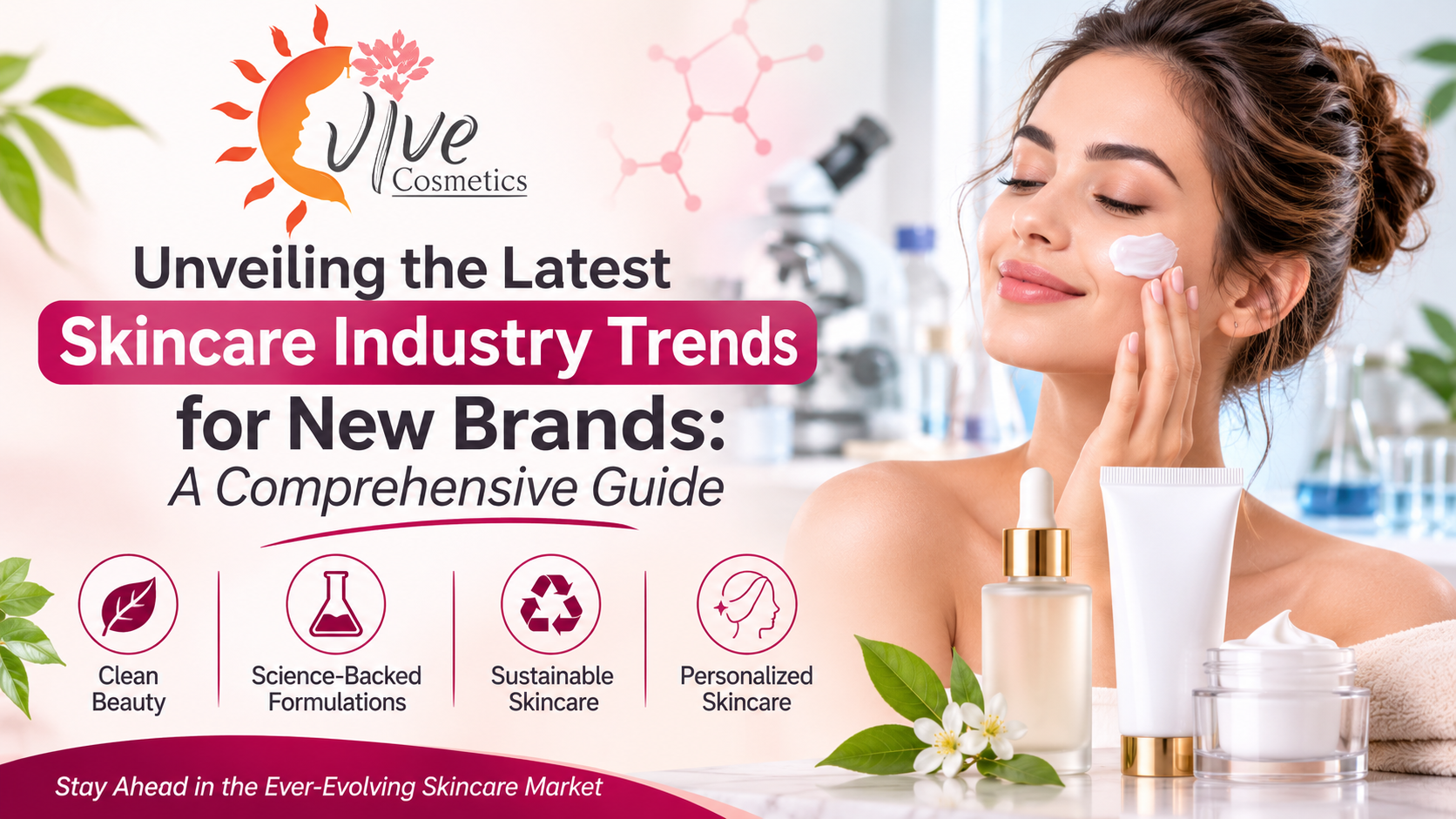
But the good news is, this evolution in the latest skincare industry brings exciting opportunities for skincare brands. Various ingredients such as PDRN, exosomes, ceramides, glutathione, peptides and niacinamide are grabbing the attention of customers because of their science-backed formulations, personalised skincare and premium packaging that is shaping the industry’s future.
Launching a skincare brand involves more than choosing trending ingredients. You need to choose a third-party cosmetic manufacturer who truly understands your customers’ needs, develops the right formula for your business, and mainly focuses on production quality with premium packaging that suits your brand. Working with a reliable cosmetic manufacturer can make the journey from an initial idea to a finished product much easier.
So if you want to launch your own cosmetic or skincare range brand, you need to understand the beauty market; you are in the right place. Let’s understand the latest skincare industry trends, popular ingredients and trending customer expectations you should know before entering the market.
The Big Shift: From Look, Feel and Smell to Ingredient Efficacy
When you think people choose their skincare products in a traditional way, you are wrong. Most people choose skincare products by their appearance, packaging and fragrance. But now almost every customer wants to know what the product actually does for their skin.
The Old Playbook of Skincare Customers
Traditionally most of the skincare brands mainly focus on the sensory experience of their products. When they find a luxurious cream, a refreshing face wash, a pleasant fragrance, and an attractive bottle, it is enough to create a positive impression and convince them to buy the skincare products. Here, we mention some marketing campaigns commonly highlighted:
- Beautiful and premium-looking packaging.
- Pleasant fragrances and lightweight textures.
- Celebrity endorsements and lifestyle advertising.
- General claims such as glowing, youthful, or beautiful skin.
- Affordable pricing and attractive product offers.
These factors still influence purchasing decisions, but not enough to build long-term customer trust.
Now What Changed in the Latest Skincare Industry?
Most customers now find it easier to find skincare information. They consult with dermatologists, read articles, compare product labels, and do research about the active ingredients before making a purchase. Let’s understand this logic with an easy example: someone who is looking for an anti-ageing serum and searching for retinol, peptides, or vitamin C. These customers are looking for dryness and may look for ceramides, hyaluronic acid, and barrier-supporting formulations.
Label Reading Customer
But today’s skincare customer does not simply ask a retailer Is this product good, they ask some practical questions:
- What active ingredients does the product contain
- What skin concerns
- Is this formulation suitable
- How can I use this product
- How can I understand the ingredient list easily
What Are The Key Skincare Industry Trends For New Brands To Know?
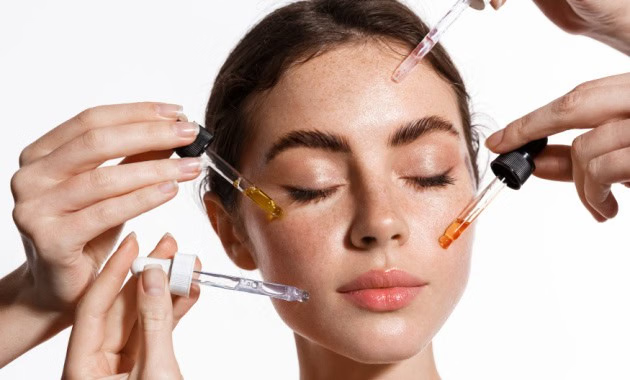
Let’s understand the market trends of new skincare businesses to make better decisions about their skincare range.
1. Ingredient-Led, Active-First Formulations
- Niacinamide helps with the look of uneven skin tone and enhances skin barrier function.
- Vitamin C for its antioxidant properties and radiant skin.
- Retinol for its effects on wrinkles and skin texture.
- Hyaluronic acid for its hydration abilities.
- Salicylic acid for dealing with clogged pores and acne-prone skin.
- Peptides for enhancing formulations meant to address aging.
2. Skin Barrier Health as the Foundation of Routines
Skin health has become an important component of today’s skincare dialogues. The skin barrier defends skin from external stimuli and helps decrease moisture loss. When the skin barrier is compromised, individuals are likely to suffer from skin dryness, increased tenderness, and hypersensitivity.
This is the reason why more and more customers are using gentler cleansers, moisturisers, and barrier-caring serums.
3. Biotech and Regenerative Beauty
Biotechnology is revolutionising skincare formulation. The innovations in biotechnology have prompted researchers and manufacturers to study samples of ingredients sourced through controlled biological methods. The new techniques being utilised include bioengineered peptides, ingredients derived from fermentation processes, growth factor technology, and many new cosmetic activities.
Biotechnology in beauty has generated greater interest due to the capacity of biotech-based solutions to connect beauty care with research and up-to-date formulation. Despite the great interest of consumers in biotech brands, it is important for these brands to be cautious with advertising claims. Not every ingredient which is referred to as regenerative is proven to be so in the use of skincare.
4. Skin Longevity and Preventive Care
Customers today are beginning to see skincare not just as something that needs to be done only when there is something wrong. They prefer to concentrate on achieving and keeping healthy skin instead. The concept is often referred to as skin longevity.
5. Clean, Transparent and Minimalist Formulas
The uncomplicated formulations are comprehensible and compatible with their skin needs. Minimalist skincare does not necessarily mean using fewer components at all costs. It simply means that the components that are included should be done so with the clear purpose of a formulation and without any additional convolutions.
The manufacturers need to focus on the following aspects.
- Being clear about the purpose of every ingredient used.
- Selecting appropriate preservatives.
- Avoiding unnecessarily elaborate fragrances unless needed.
- Informing about possible skin sensitivities.
- Providing simple-to-understand usage recommendations.
- Maintaining safety and stability of the product.
6. Brightening That Targets the Cause of Pigmentation
The skin brightening category remains popular among consumers searching for a solution to dark spots, skin tone inconsistency, and post-acne marks. However, the trend among customers is to go for targeted formulations rather than just obtaining fairness.
What ingredients are rewriting the rules in skincare industry trends?
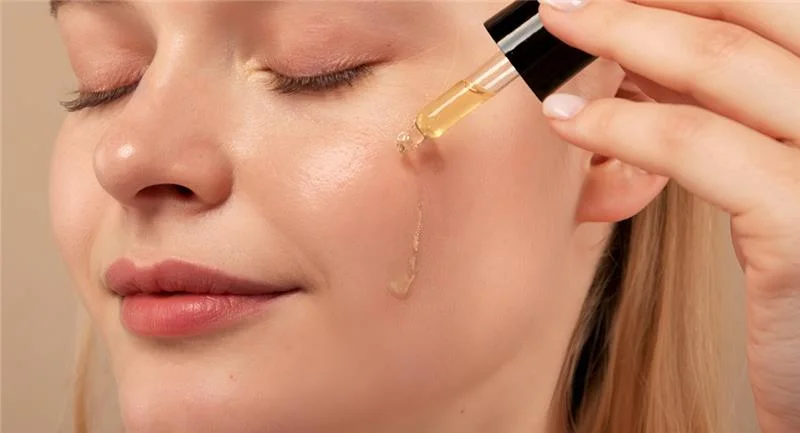
Some components are being significantly highlighted. Knowing how they work may help new companies with their product development strategy.
- PDRN (Polydeoxyribonucleotide)
- Exosomes
- Ceramides
- Glutathione
All these ingredients are grabbing more and more attention among skincare customers; most of the customers wants to read this ingredients before purchasing any skincare product.
How are most customers changing product development?
In earlier times, businesses usually launched their products based on overall demand in the market. Now product creation entails greater awareness of clients’ wants, needs and preferences.
A perfect case in point is represented by a person looking for an acne treatment serum. He/she may look for several products before making his/her final choice by paying attention to the salicylic acid content in the serum, as well as its soothing components and reviews concerning its consistency and skin compatibility.
- Targeted skincare products for pigmentation, dryness, ageing, and sensitivity.
- Brands need to explain what ingredients are included in the formulation
- It builds confidence in consumers’ minds when there are good labels, proper ingredient listing, and honest explanation of the product.
- Consumers tend to prefer goods that demonstrate hydration, antioxidant properties, and other benefits.
- The texture, the process of absorption, the scent, the design of a package and the ease of use are critical factors influencing the decision to buy the product again.
What are the challenges new brands face when adopting these trends?
- High-performance components and specialised formulation requirements may raise costs of development.
- Some new components may have availability limitations, shortages, or difficult storage needs.
- Some performance components may be rendered ineffective if subjected to unsuitable temperature, lighting, oxygen, or the wrong pH.
- Cosmetic products must meet all relevant requirements with respect to manufacturing, labelling, safety, and advertising. Companies must understand all applicable rules in their specific market.
- Well-known skincare brands already have customer knowledge, sales channels, and marketing budgets.
How can a reliable cosmetic manufacturer help brands to evolve with these trends?
Partnering with reliable cosmetic third party manufacturing much more than producing creams, lotions, serums, and face washes. For new brands that want to work with an experienced third-party manufacturer, there are several important stages of business development.
- They provide you with effective formulation expertise
- Offer you quality products using high-quality raw materials
- Flexible manufacturing with bulk orders and the best MOQ options
- A reliable partner provides you with premium packaging and formulations
- Long-term partnership with support and enhanced packaging requirements
Here is our Vive Cosmetics practical checklist for launching an ingredient-led skincare brand.
At Vive Cosmetics, we offer you complete skincare and cosmetic products. Here is the checklist followed by our professionals:
- Research your target audience
- Identify your niche
- Study competitors
- Choose your hero ingredients
- Define your product range
- Find a reliable manufacturer
- Develop product samples
- Complete appropriate testing
- Finalise packaging
- Review regulatory requirements
- Plan your pricing
- Prepare your marketing strategy
- Monitor customer feedback
People also ask about Unveiling the Latest Skincare Industry Trends for New Brands: A Comprehensive Guide
Q.1 Which ingredients are best for sensitive skin?
A: If you want to formulate a skincare product, you can choose aloe vera, ceramides, hyaluronic acid, niacinamide, and squalane.
Q.2 Does Vive Cosmetics provide product samples?
A: Yes, at Vive Cosmetics, we provide you with product samples as per your requirements.
Q.3 What skincare products should I launch when choosing Vive Cosmetics?
A: You can launch by partnering with Vive Cosmetics, including skincare, lip care, personal hygiene, haircare and derma.
Q.4 How much investment is required to start a skincare brand?
A: In India, if you want to start your own cosmetic or skincare brand, you generally require 3 to 5 lakhs without marketing. Call us to know the estimated budget 7696930773.



 Home
 Range
 Call Us
 Whatsapp
 Contact Us